Available Everest Region Trek Packages
Mountain Routes offers comprehensive trekking packages throughout the Everest region. Each trek is designed with proper acclimatization, cultural exploration, and mountain views as core elements.
Everest Base Camp Trek (Classic Route)
The classic route to Everest Base Camp remains the most popular choice for first-time Everest trekkers. The 12-14 day journey follows the traditional path through Namche Bazaar, Tengboche, Dingboche, and Lobuche before reaching Base Camp at 5,364 meters. Trekkers also climb Kala Patthar for the best Everest views available without technical climbing.
The route provides excellent acclimatization with rest days in key villages. Tea house accommodation is well-established throughout the trail. The trek suits anyone with good fitness and determination to reach the base of the world's highest mountain.
Everest Base Camp Trek by Road
This alternative route avoids the Lukla flight by starting from Salleri or another roadhead. The approach adds several days but provides more gradual acclimatization and eliminates flight delay concerns. Trekkers experience lower-elevation villages and forests before reaching the main Everest trail.
The road option works well during peak seasons when Lukla flights face heavy demand. It also appeals to trekkers who prefer steady progression from lower altitudes.
Everest Base Camp Helicopter Return
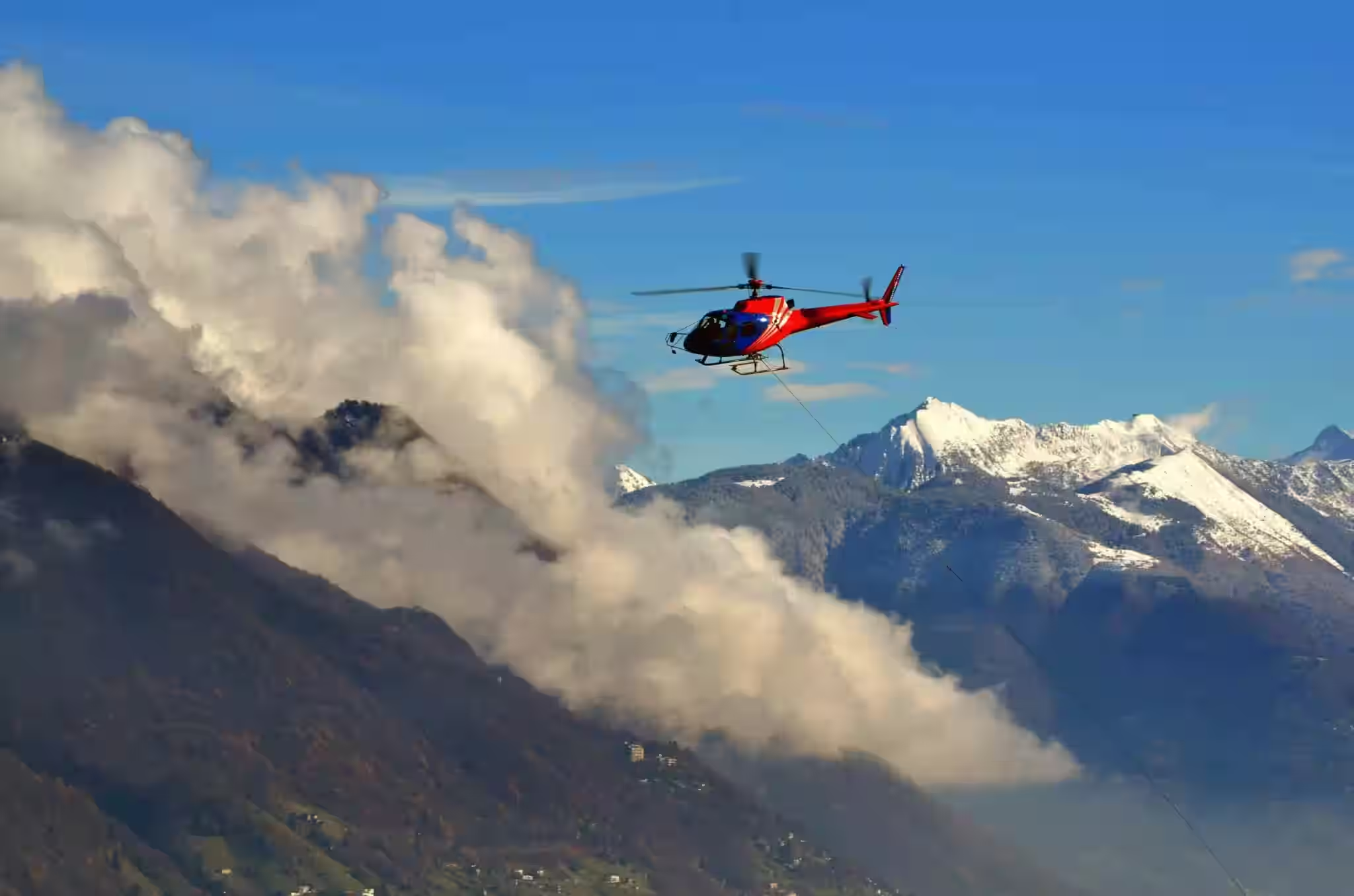
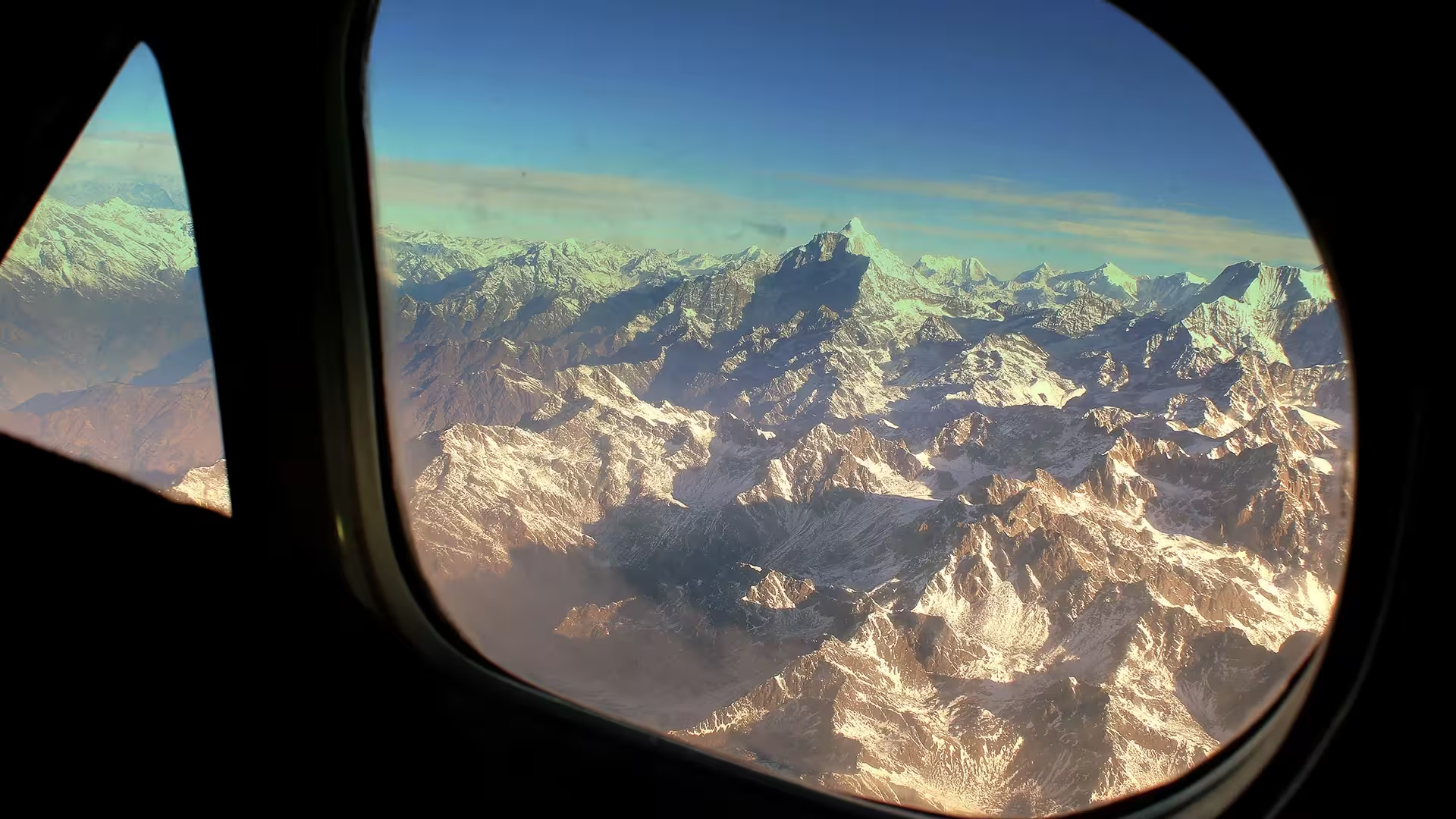
This package combines the classic Base Camp trek with a helicopter flight for the descent. After reaching Base Camp and Kala Patthar, trekkers fly directly to Kathmandu instead of walking back. The helicopter offers spectacular aerial views of Everest and surrounding peaks.
The option saves 4-5 days compared to walking both directions. It suits travelers with limited time who still want the complete trekking experience to Base Camp.
Gokyo Lakes and Renjo La Pass Trek
This route explores the Gokyo Valley, home to a series of stunning turquoise glacial lakes. The trek reaches Gokyo Ri at 5,357 meters for panoramic views that rival Kala Patthar. Trekkers cross Renjo La Pass at 5,360 meters, adding a high-altitude challenge to the journey.
The Gokyo route sees fewer trekkers than the classic Base Camp trail. The valley offers unique perspectives on Everest, Cho Oyu, and the massive Ngozumpa Glacier. The trek suits those seeking quieter trails with diverse landscapes.
Everest Cho La Pass Trek
This trek combines Everest Base Camp with the Gokyo Valley by crossing Cho La Pass at 5,420 meters. The route creates a loop that covers both major destinations in one journey. Trekkers experience the best of both valleys without retracing steps.
Cho La Pass requires some scrambling over rocky terrain and glacier sections. The trek suits experienced high-altitude trekkers comfortable with challenging conditions. The combined route typically takes 16-18 days.
Everest Three High Passes Trek
The most challenging Everest region trek crosses three high passes: Kongma La (5,535m), Cho La (5,420m), and Renjo La (5,360m). The route circles through the Khumbu region, visiting Everest Base Camp, Gokyo Lakes, and multiple viewpoints along the way.
The trek demands excellent fitness, previous high-altitude experience, and 18-21 days to complete safely. Trekkers who complete the circuit gain comprehensive exposure to the Everest region's diverse terrain and culture.
Everest Base Camp and Gokyo Lake Trek
This combined package visits both Everest Base Camp and Gokyo Lakes without crossing high passes. The route follows the classic Base Camp trail, then returns and branches to the Gokyo Valley. Trekkers see both destinations while avoiding the technical challenges of pass crossings.
The trek typically takes 16-18 days depending on acclimatization needs. It suits trekkers who want comprehensive Everest region exposure but prefer to avoid extreme altitudes or technical terrain.
Everest Panorama Trek
The shorter panorama trek provides stunning mountain views without reaching extreme altitudes. The route goes to Tengboche Monastery and nearby viewpoints before returning. Maximum altitude stays around 3,867 meters, making it accessible for trekkers with limited high-altitude experience.
The 7-10 day trek suits travelers with tight schedules or those testing their altitude tolerance. Views of Everest, Ama Dablam, and surrounding peaks remain spectacular despite the lower maximum elevation.
Best Time to Trek Everest Region
Spring Season (March, April, May)
Spring brings the most stable weather and clearest mountain views. Temperatures warm as the season progresses, making high-altitude sections more comfortable. Rhododendrons bloom in lower forests, adding color to the trails.
This peak season sees the most trekkers on popular routes like Everest Base Camp. Tea houses fill quickly, so advance booking becomes important. Weather windows remain consistent, reducing the chance of delays or cancellations.
Autumn Season (September, October, November)
Autumn offers crisp air and exceptional visibility after monsoon rains clear. The post-monsoon period provides the year's best mountain photography opportunities. Temperatures remain comfortable for trekking, though they drop rapidly at night.
This is the busiest trekking season in the Everest region. Trails become crowded, especially on the classic Base Camp route. Tea houses reach full capacity during peak October-November weeks.
Winter Season (December, January, February)
Winter brings cold temperatures but clear skies and quiet trails. Snow accumulates at higher elevations, making some passes impassable. Lower routes like Everest Base Camp remain accessible with proper cold-weather gear.
The season suits experienced winter trekkers who don't mind extreme cold. Tea houses stay open but offer reduced services. Fewer trekkers mean more peaceful experiences and better availability.
Monsoon Season (June, July, August)
Monsoon brings afternoon rain to lower elevations but remains manageable in the Everest region. The area sits in a partial rain shadow, receiving less precipitation than other Nepal trekking zones. Clouds often obscure mountain views, especially in afternoons.
Some trekkers prefer monsoon season for solitude and lower prices. Trails become muddy and slippery in places. Leeches appear in forested lower sections. Flight delays to Lukla increase due to weather conditions.
Everest Region Trek Difficulty & Preparation
Understanding the Challenge
Everest region treks are not technically difficult but demand good physical fitness and mental determination. Daily walking ranges from 5 to 7 hours on trails that include steep climbs, rocky sections, and suspension bridge crossings. Altitude presents the primary challenge as oxygen levels decrease above 3,000 meters.
The highest points on different treks vary significantly. Panorama treks stay around 3,800 meters while Three Passes routes exceed 5,500 meters. Each elevation bracket requires different acclimatization strategies and fitness levels.
Physical Preparation Requirements
Training should begin 4-6 weeks before departure. Focus on building cardiovascular endurance through regular hiking, running, cycling, or swimming. Practice on hills and stairs to strengthen legs for sustained climbing and descending.
Carry a weighted backpack during training hikes to simulate trekking conditions. Start with 5-7 kg and gradually increase. Build up to 6-8 hour hikes if possible to prepare for longer trekking days.
Strength training helps prevent injury and reduces fatigue. Focus on legs, core, and shoulders. Light weights with higher repetitions work better than heavy lifting for trekking preparation.
Acclimatization Strategy
Proper acclimatization prevents altitude sickness and ensures successful completion. Mountain Routes itineraries follow proven altitude gain patterns with strategic rest days. The "climb high, sleep low" principle applies on acclimatization days.
Key rest stops include Namche Bazaar around 3,440 meters and Dingboche at 4,410 meters on classic routes. These villages allow short acclimatization hikes to higher elevations before returning to sleep at lower altitudes.
Guides monitor symptoms daily and adjust schedules if anyone shows altitude sickness signs. Staying hydrated, eating well, and moving slowly all support safe altitude adjustment.
Mental Preparation
Mental readiness matters as much as physical fitness. Long trekking days test patience and determination. Basic tea house conditions require flexibility and positive attitude. Weather can change plans unexpectedly.
Research the trek thoroughly before departure. Understand daily distances, elevation profiles, and accommodation standards. Realistic expectations lead to better experiences and fewer disappointments.
What to Expect on Everest Region Treks
Trail Conditions and Terrain
Trails in the Everest region range from well-maintained stone paths to rocky moraine sections. Lower elevations feature forested trails with regular stone steps. Middle sections pass through open valleys with gradual climbs. High-altitude zones cross rocky terrain and glacier moraines.
Suspension bridges cross the Dudh Koshi River and its tributaries multiple times. These bridges sway but are safe and well-maintained. The highest trails become snow-covered in winter and early spring.
Accommodation Standards
Tea houses provide basic lodging throughout the Everest region. Rooms typically contain two beds with thick blankets. Bathrooms are shared in most lodges. Hot showers cost extra and availability decreases at higher elevations.
Dining halls with wood stoves serve as social centers where trekkers gather. Electricity works through solar panels or small generators. Charging devices costs extra at most tea houses. WiFi is available in lower villages but becomes unreliable above Namche Bazaar.
Meals and Nutrition
Tea house menus offer variety in lower villages with options decreasing at higher elevations. Dal bhat (rice with lentil soup) remains available everywhere and provides sustained energy. Noodle soups, fried rice, momos, and Tibetan bread appear on most menus.
Western breakfast items like pancakes, eggs, and porridge are widely available. Tea, coffee, and hot chocolate provide warmth throughout the day. Vegetarian food is standard, with meat options available in some locations.
Required Permits
Two permits are mandatory for Everest region treks. The Sagarmatha National Park Entry Permit costs NPR 3,000 for foreigners. The Khumbu Pasang Lhamu Rural Municipality Permit costs NPR 2,000. Mountain Routes handles all permit applications and processing before trek departure.
Permits are checked at entry points in Monjo and Lukla. Trekkers must carry permits throughout the journey as checkpoints appear at various locations.
Book Your Everest Region Trek Today
The Everest region offers trekking experiences that stay with travelers for life. Standing beneath the world's highest peaks, walking through Sherpa villages, and reaching iconic destinations like Everest Base Camp or Gokyo Lakes creates memories that transcend ordinary travel.
Mountain Routes provides expert guidance, reliable logistics, and comprehensive support throughout your Everest journey. Our Sherpa guides bring generations of mountain knowledge and genuine hospitality to every trek. Safety, comfort, and authentic experiences guide every decision we make.
Start Planning Your Himalayan Adventure
Contact Mountain Routes:
📞 WhatsApp: +977-985-1087152
📧 Email: shristy@mountainroutes.com